
Take a Picture
I have been grooming dogs for 31 years now. I have often wondered just how many toenails I’ve clipped (not counting my own, of course), how many anal glands I’ve squeezed, how many Poodle feet I have shaved… The list goes on and on.
I have been grooming dogs for 31 years now. I have often wondered just how many toenails I’ve clipped (not counting my own, of course), how many anal glands I’ve squeezed, how many Poodle feet I have shaved… The list goes on and on.

In the fall of 2012, after two years of intense competition, the GroomTeam USA 2013 Travel Team was announced. Lindsey Dicken would compete in the Scissoring class, Irina Pinkusevich would compete in Setters and Spaniels, Veronica Frosch would be competing in Poodles, and Michell Evans…
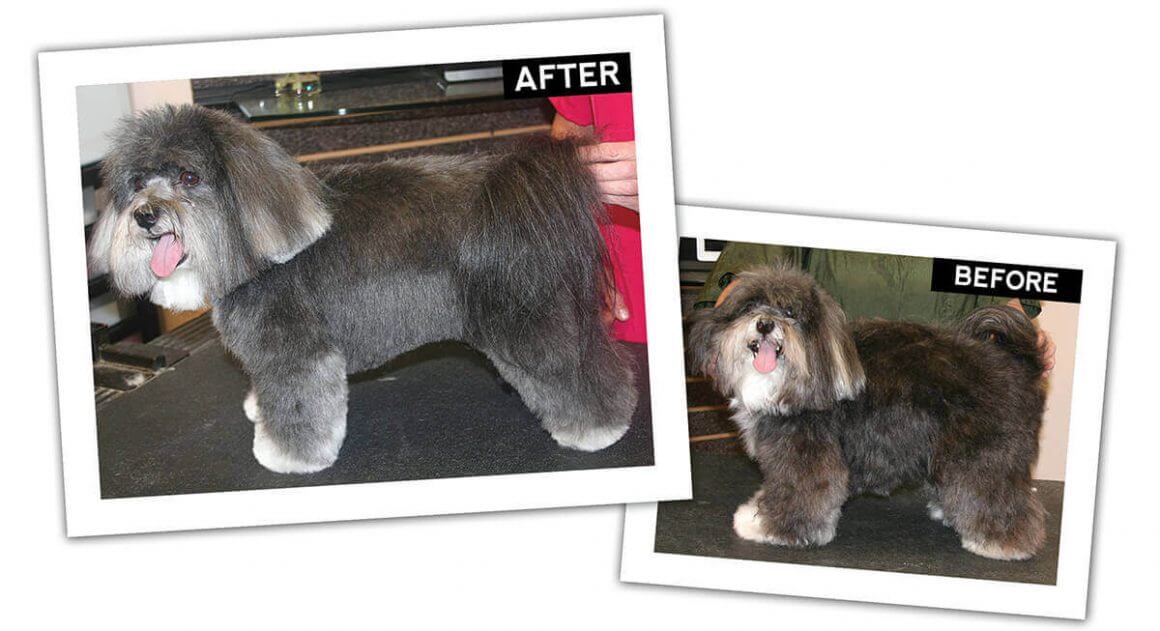
The Havanese is the native dog of Cuba. Once known as the Havana Silk Dog or Spanish Silk Poodle, he […]

As professional groomers and certified (or certifiable!) dog lovers, we are all aware of the beauty, adaptability, and smarts of the Golden Retriever. We’ve seen them in action as service dogs for the physically disabled, guide dogs for the blind, comfort dogs for the traumatized in times of national disasters, therapy dogs for the sick, and reading dogs for children with learning difficulties.

To be successful in this business doesn’t just depend on your knowledge of grooming or the equipment you use. It can also depend on some very basic goals that you accomplish every day. They are simple goals, such as making money, customer perspective, and safety. These three little goals pass through our minds, but we never really think about how much they impact us every day we work.
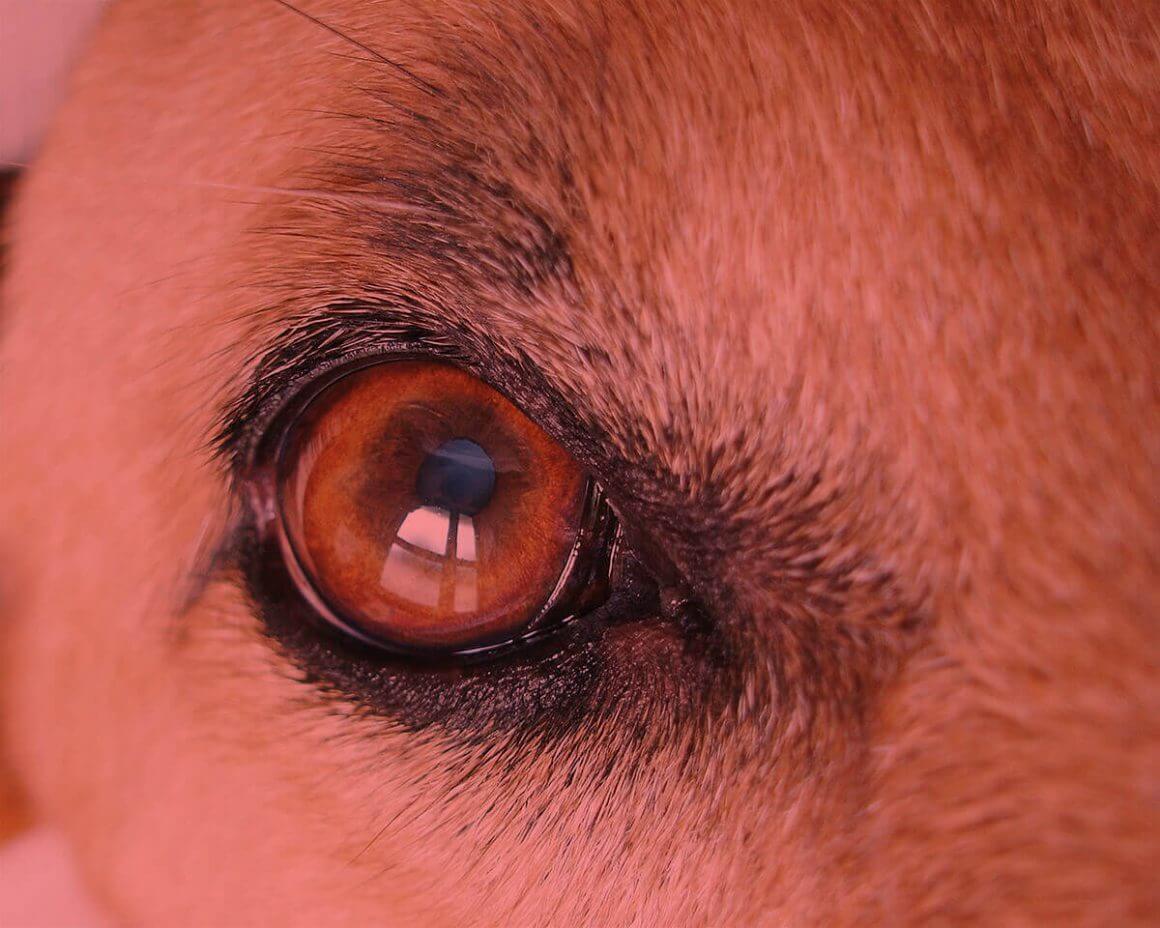
I have a riddle for you. What can go from minor to major in a blink of an eye? The answer is… eye injuries. It is why you should take a good look at a dog’s eyes during the check-in process. Check for excessive blinking, squinting, discharge, blood, cloudiness, bulging eyes, rubbing, or redness, all of which could indicate a pre-existing condition that may be aggravated during grooming. Bring any concerns to the owner’s attention beforehand.
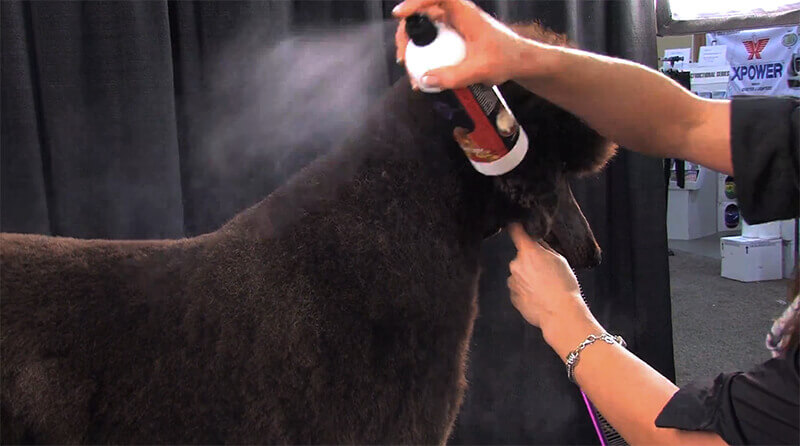
Barb Prueckel uses her Wahl clippers to sculpt the finishing touches on this poodle.
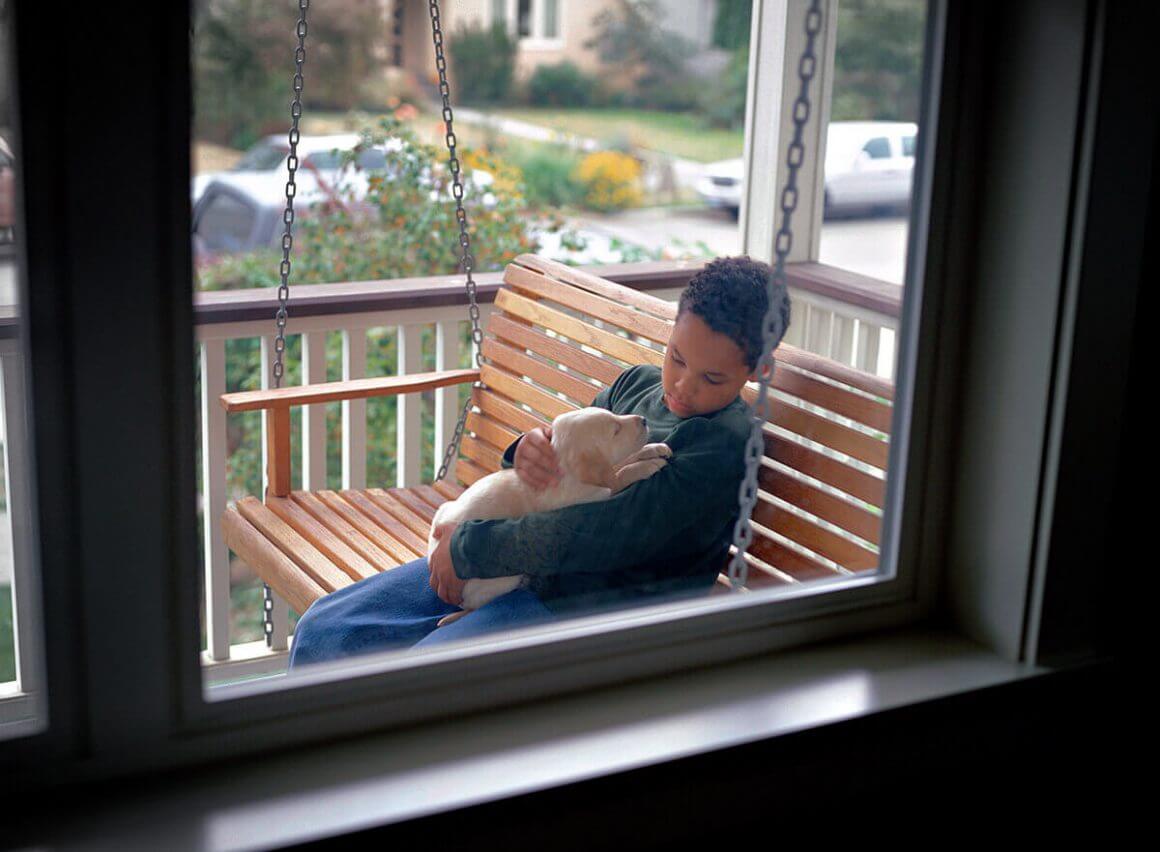
“We make a living by what we get. We make a life by what we give.” — Winston Churchill
When I lived in Memphis, I operated a house call pet grooming business for many years. One of my favorite customers did a good bit of community volunteer work, including delivering Meals on Wheels.
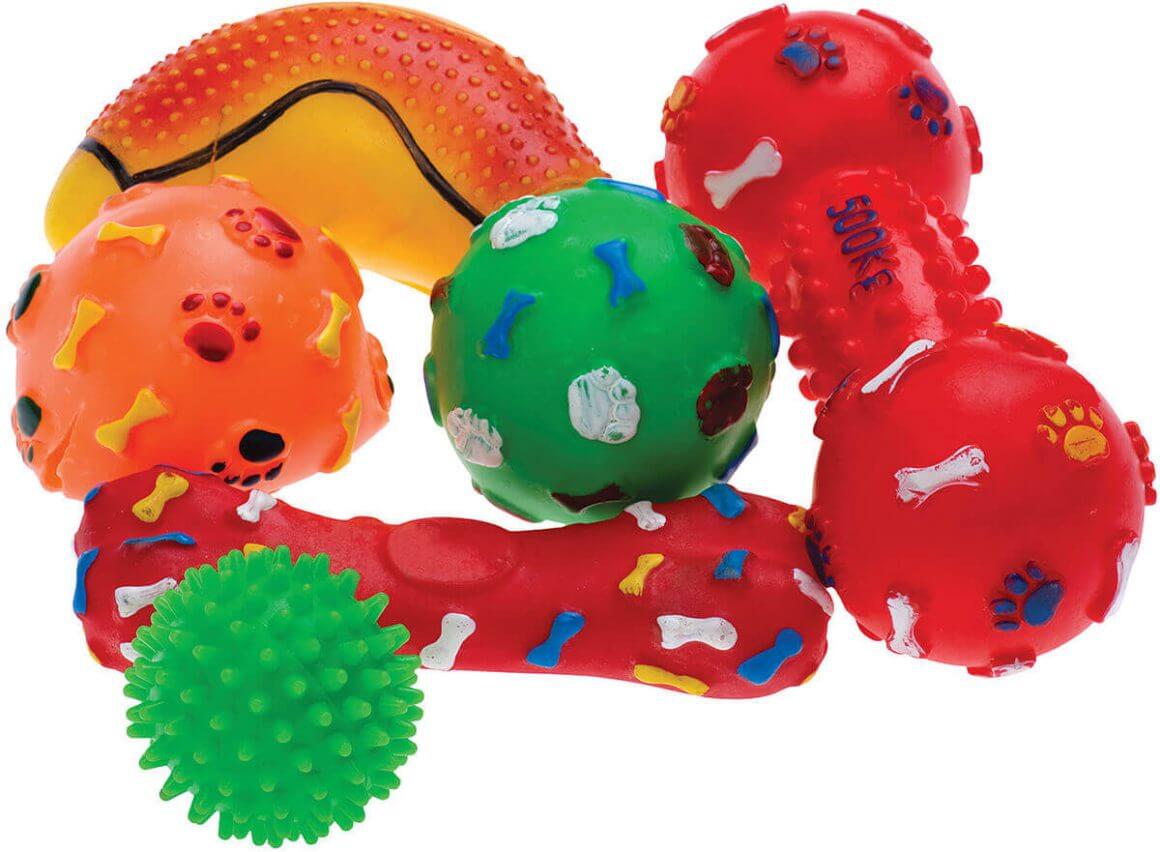
I have a cattle dog that belongs to a common subspecies of domestic dog—canis manducatione—the chewing dog. He does have a small underbite, which makes me think part of his problem is improper occlusion. I will be fixing that problem in the near future, but for the moment (and for the last 10 months) I have been dealing with a super chewer. That brings up the topic of chew toys.

Well, another year has come and almost gone. The busy summer grooming season is winding down, and just when we think we can take a break and relax, we come to the realization that the holiday season is just around the corner. Every groomer knows what I am talking about.

According to the Center for Disease Control (CDC), 300,000 cases of Lyme disease are diagnosed in the U.S. each year. This number represents an increase of ten times figures earlier reported by the government agency. Most of these cases were diagnosed in 13 states, primarily in the Northeast and Upper Midwest.